

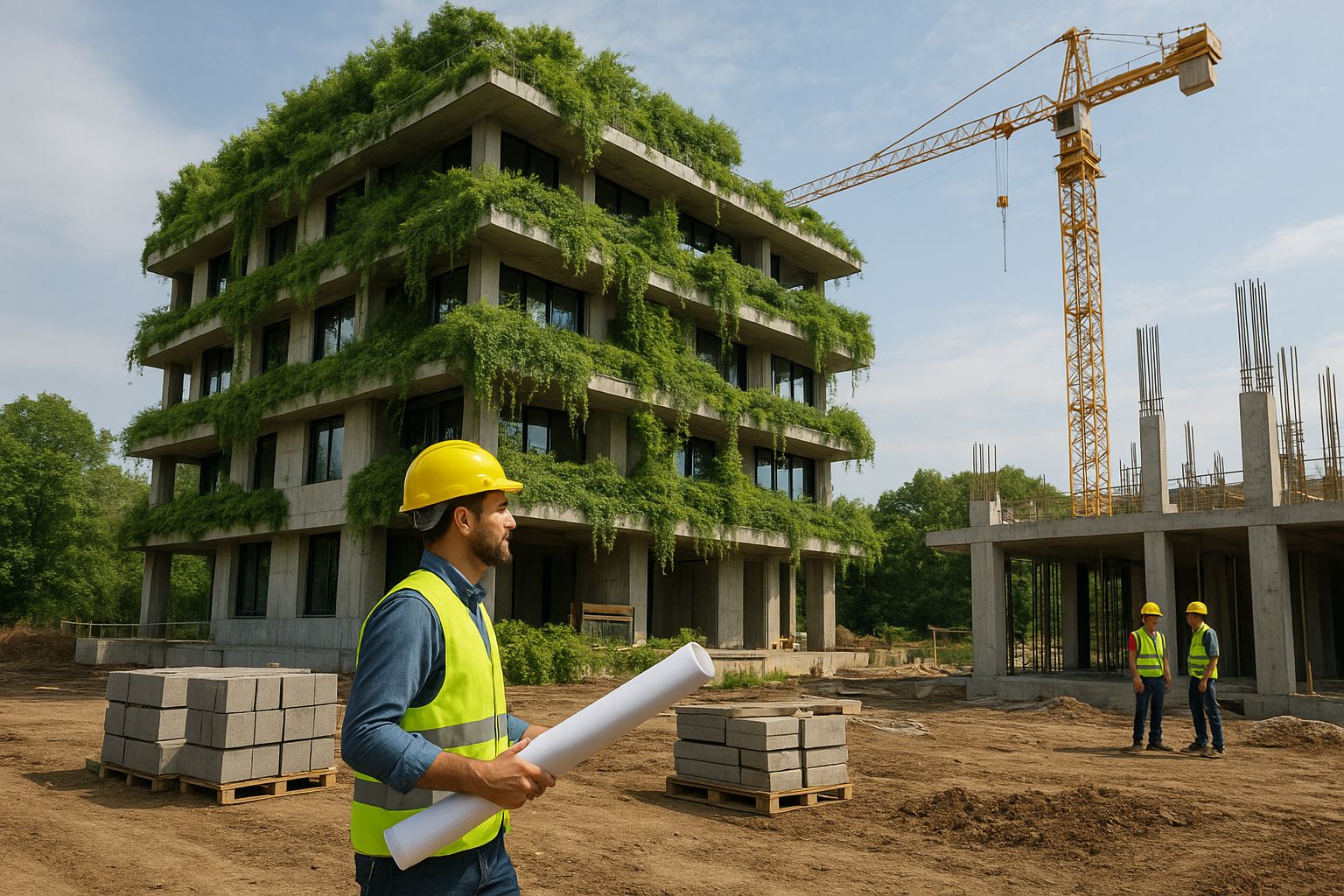
The construction industry is undergoing a transformative period where sustainability is not just a choice but a mandate. Among the many advancements shaping the future of construction, green building has emerged as a leading trend, driven by a global push towards environmental stewardship and regulatory compliance.
Green building practices are redefining traditional construction methodologies by integrating environmentally responsible and resource-efficient processes throughout a building’s lifecycle. These include planning, design, construction, operation, maintenance, and even renovation and demolition rights. At its core, green building aims to reduce the overall impact of the built environment on human health and the natural environment.
Recent initiatives have underscored the importance of this trend. Companies are increasingly investing in eco-friendly materials and advanced construction techniques. Material innovations such as bamboo, recycled steel, and low-VOC paints are gaining traction due to their reduced carbon footprint. Moreover, construction firms are focusing on energy efficiency by integrating smart technologies like energy-efficient lighting systems, high-performance windows, and passive solar design.
A notable case is the new commercial development in New York City, which features a modular design approach powered by renewable energy sources. This project exemplifies how the industry can effectively blend architectural aesthetics with sustainable practices, setting a new benchmark for future urban developments.
In terms of financial incentives, governments worldwide are offering subsidies and tax breaks to offset initial investment costs associated with green construction. This has encouraged more firms to adopt sustainable practices, balancing ecological benefits with economic advantages.
Another significant factor driving the trend is the increasing consumer demand for sustainable structures, evidenced by the rising number of LEED (Leadership in Energy and Environmental Design) certified buildings. LEED certification not only enhances the marketability but also promises long-term savings through energy efficiency and lower maintenance costs.
Challenges remain, particularly concerning the upfront costs and the need for technical expertise. However, the long-term benefits, including energy savings, improved occupant health, and a smaller environmental footprint, present a compelling case for widespread adoption.
Industry players are urged to stay abreast of technological advancements and regulatory changes to capitalize on the shifting landscape. With the construction industry pivoting towards sustainability, green building is poised to become a keystone of future developments.

