


As technology continues to evolve, businesses worldwide are increasingly relying on cloud infrastructure to enhance operational efficiency and scalability. However, a recent trend has begun to challenge this transformation: the rising cost of energy.
Data centers, the backbone of cloud infrastructure, are immense energy consumers. According to recent reports, energy costs are on a significant upward trajectory, affecting the bottom line of enterprises that depend on cloud computing solutions.
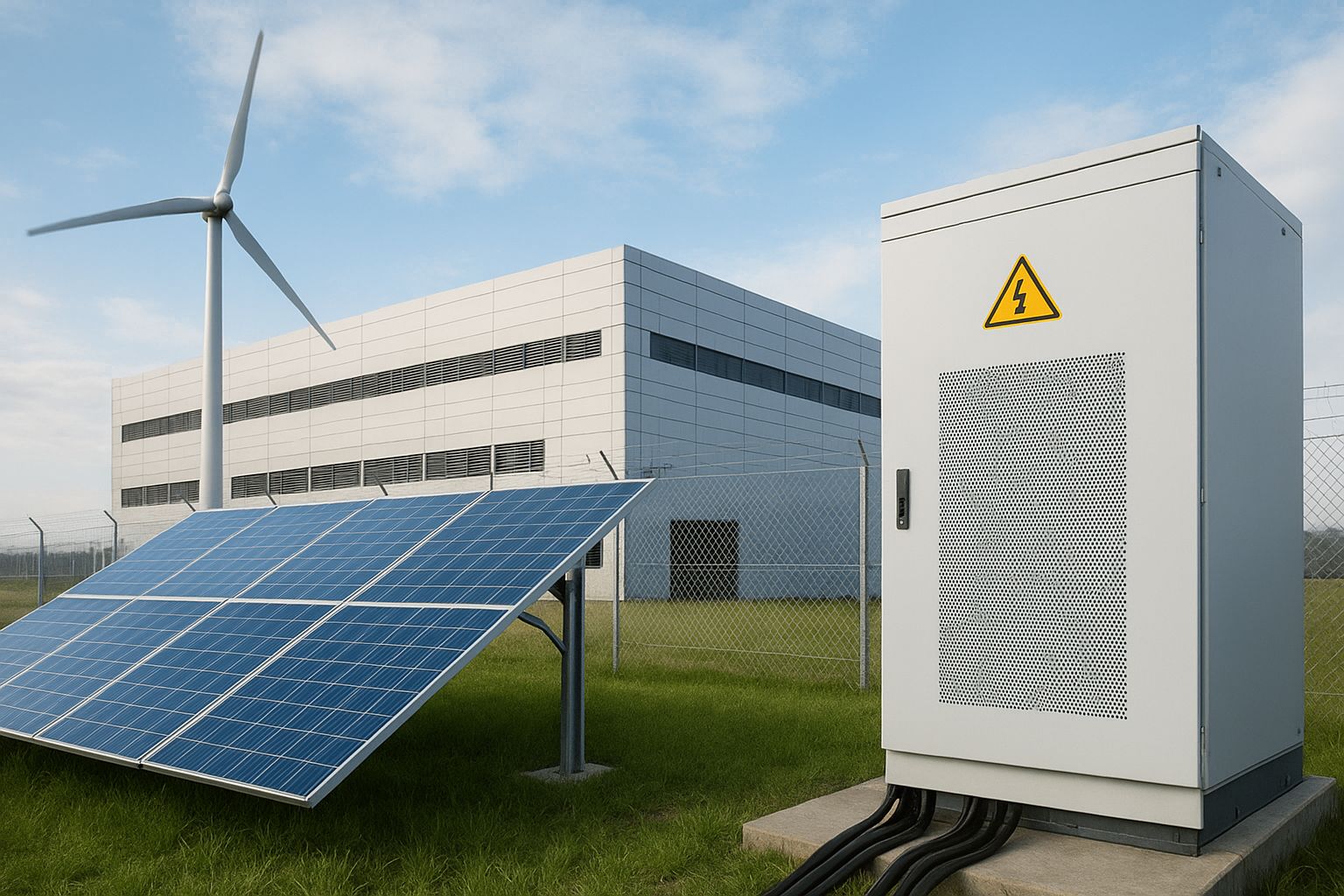
Many organizations are now seeking innovative strategies to mitigate these rising costs while ensuring cloud infrastructure continues to perform optimally. One noticeable shift is the growing investment in green technology. Transitioning to energy-efficient hardware and utilizing renewable energy sources are primary measures being adopted.
Tech giants such as Google and Microsoft have set an example by committing to operate carbon-free by the end of this decade. This move not only curtails their operational costs but also aligns with heightened environmental consciousness among stakeholders.
Furthermore, advancements in technology have led to the development of more efficient cooling systems and smarter load management. Companies can now leverage AI-driven resource management that predicts workloads and optimizes electricity consumption, thus, improving energy efficiency.
Another strategic approach is the implementation of cloud architecture redesigns. By redesigning systems to operate with distributed, rather than centralized, workloads, companies can decrease energy use and increase resilience against power grid variances.
Strategically located data centers, which can exploit cooler natural environments, are also gaining traction. The geographical relocation aids in reducing energy consumption needed for cooling and directly impacts operational expenditures.
As the pressure to adopt environmentally sustainable practices mounts, technology and energy management are becoming synonymous with competitive advantage. Regulatory frameworks across the globe are moving to incentivize businesses that optimize energy utilization, creating an advantageous ecosystem for sustainable technology investments.
Those at the forefront of embracing these shifts are not only reducing operational costs but are also enhancing their corporate image. Businesses that optimally manage their cloud infrastructure in light of rising energy costs, while aligning with sustainability goals, solidify their position as leaders in innovation, capable of paving the way for the future.
In conclusion, the rising cost of energy is no longer just a background consideration—it is a pivotal factor in an organization’s technology strategy. Companies that invest in and adapt to sustainable technologies will not only be able to manage costs better but will also foster a sustainable future.

