

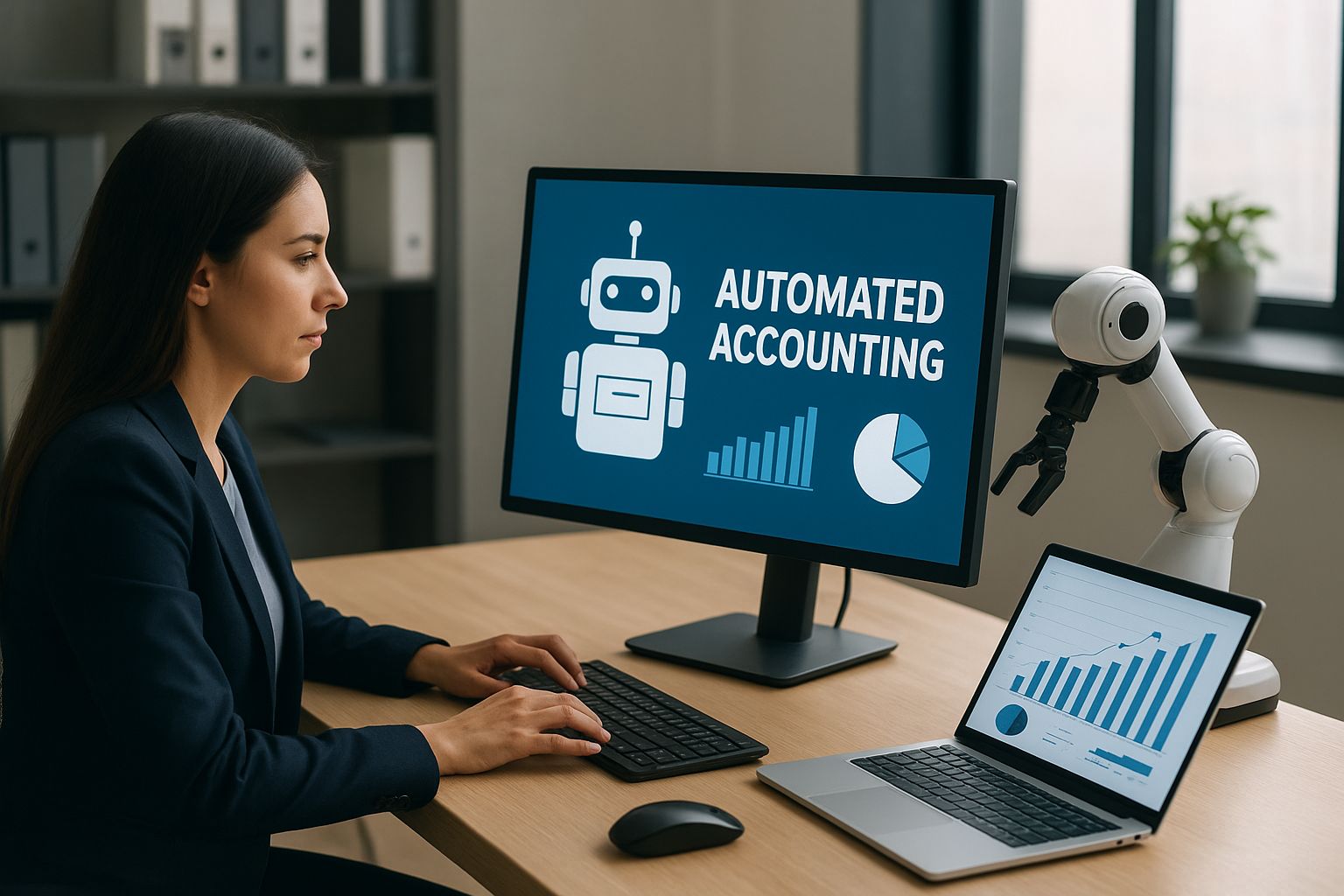
In the rapidly evolving business landscape, automated accounting is emerging as a transformative force, reshaping how firms approach financial management. Over recent years, advancements in accounting technology have accelerated, empowering organizations to streamline complex tasks and enhance accuracy.
One of the most significant trends over the last few days in the accounting sphere has been the widespread adoption of automation tools. Companies are increasingly turning to software ecosystems that incorporate advanced algorithms to handle a variety of accounting processes. These tools offer capabilities ranging from transaction processing to advanced financial analysis, allowing staff to shift their focus towards strategic tasks that drive business growth.
As observed in leading companies, the integration of robotic process automation (RPA) into accounting systems has delivered considerable efficiencies. For instance, multinational corporations that once needed large teams to manage repetitive tasks have significantly reduced costs while improving both speed and accuracy of processes. These systems quickly adapt to changes in regulations and business needs, ensuring that organizations remain compliant and competitive.
Moreover, cloud-based accounting solutions have gained traction, providing real-time access to financial data from anywhere in the world. Such accessibility not only supports the growing trend of remote work but also ensures faster decision-making. Businesses are leveraging these platforms to collaborate seamlessly across departments and geographical boundaries, thus fostering a more interconnected corporate environment.
However, the shift towards automation is not without challenges. There is a pressing need for companies to invest in training and development, equipping their workforce with the necessary skills to interpret and manage automated systems. This highlights a vital shift in the role of accountants from traditional number crunching to being strategic analysts and advisors.
Ultimately, the momentum behind automated accounting is a clear indicator of an industry pivoting towards innovation and efficiency. As companies navigate this transformation, the adoption of forward-thinking technologies will be crucial in maintaining competitive advantage.
For firms that embrace this digital transformation, the potential rewards include higher accuracy in financial reporting, reduced operational costs, and enhanced analytical insights – all of which are integral to agile and responsive business practices in today’s fast-paced economic environment.

