


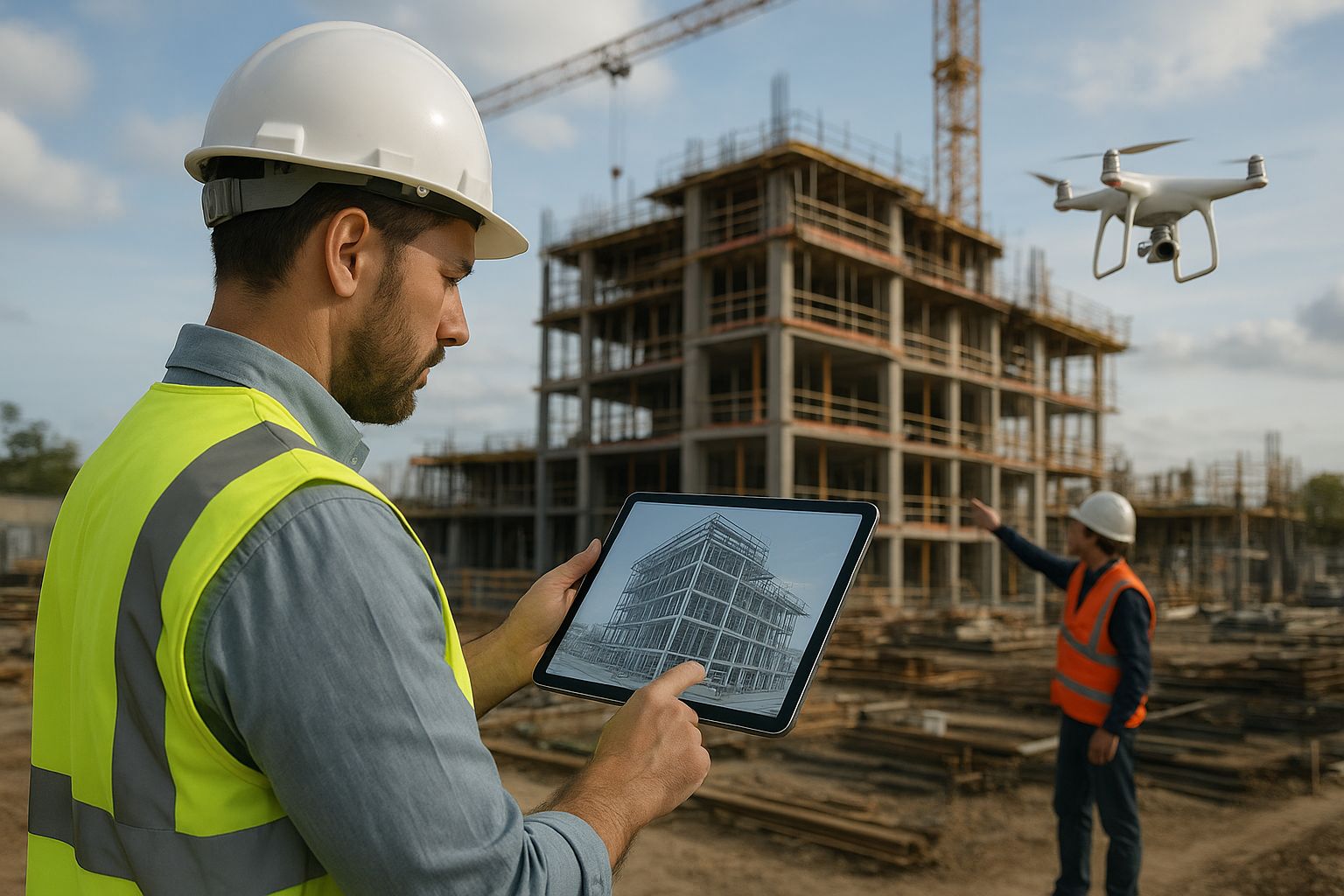
The construction industry is experiencing a paradigm shift as digital transformation fundamentally reshapes its landscape. In a sector traditionally slow to adopt change, the recent surge in digital adoption is pushing construction firms toward unprecedented efficiency and innovation.
At the forefront is Building Information Modeling (BIM), a digital representation of a building’s physical and functional characteristics. BIM enables architects, engineers, and construction managers to collaborate on a single source of truth, streamlining communication and reducing errors. As construction projects become increasingly complex, industry stakeholders are discovering how BIM can dramatically enhance project outcomes.
Technology-enabled processes such as 3D printing, drones, and augmented reality are also coming to the fore. These technologies deliver significant benefits in project design, management, and execution. For instance, drones provide real-time site visualizations, allowing for better logistics planning and on-the-spot issue resolution. Meanwhile, augmented reality offers intuitive visualization tools, aiding stakeholders in making informed decisions right from the planning phases.
Digital bidding and procurement platforms are transforming how companies secure contracts and manage supply chains. These platforms mitigate costs and can result in shorter lead times by optimizing procurement processes. As digital ecosystems in construction continue to mature, the integration of software platforms with construction enterprise resource planning (ERP) systems ensures seamless data flow, enhancing decision-making and operational efficiency.
However, integrating such sophisticated technologies does not come without its challenges. Change management is critical as companies navigate the transformation process. It requires a shift in company culture, extensive staff training, and continuous improvement mechanisms to manage and adapt to the new digital tools and processes.
One noteworthy case is Turner Construction’s implementation of a digital twin technology that mirrors real-world construction to improve facility management post-completion. Their proactive approach has benchmarked real-time data utilization to optimize efficiency, thus setting a precedent for digital transformation in construction.
As more firms begin to realize the potential of these digital tools, the construction industry is expected to undergo further disruption. Companies that readily adopt these innovations can expect enhanced productivity, superior project quality, and a competitive edge in an increasingly digital world.
The momentum of digital transformation in construction is not slowing down. The fusion of technology and construction heralds a new era where efficiency, sustainability, and collaboration define the future of the built environment.

