


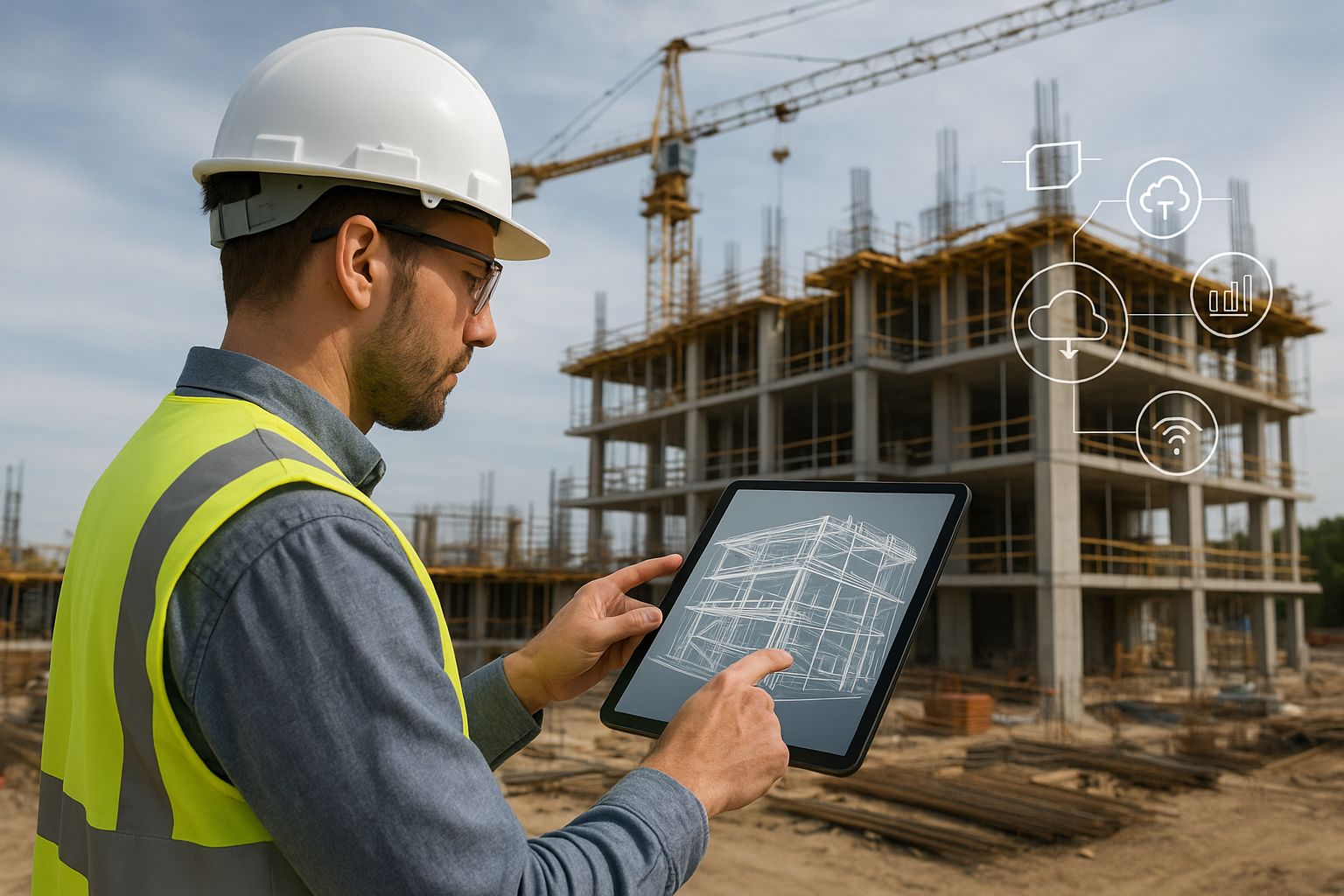
The construction industry, traditionally one of the least digitized sectors, is witnessing a groundbreaking transition towards digital transformation. With the advent of innovative technologies and the ongoing pressure to enhance productivity, a shift towards digital solutions has become inevitable for firms aiming to remain competitive and efficient.
One of the most significant trends in digital transformation within construction is the increasing adoption of Building Information Modeling (BIM). BIM’s 3D modeling capabilities provide comprehensive visualizations and information management, allowing stakeholders to collaborate more effectively. This technology not only improves workflow efficiency but also reduces risk by identifying potential issues early in the project lifecycle.
Additionally, the integration of Internet of Things (IoT) devices is radically changing how construction sites are managed. IoT solutions offer real-time insights into machinery performance, site conditions, and material usage, enabling project managers to make informed decisions promptly. These devices contribute to reduced downtime and enhanced resource management, which are critical for maintaining project timelines and budgets.
Drones, too, are becoming an invaluable part of the construction toolkit. Used for site surveying and monitoring, drones provide high-resolution aerial images that can be updated frequently, offering accurate data for assessing site progress and safety compliance. Their capability to access hard-to-reach areas enhances safety by reducing the need for human workers in potentially hazardous conditions.
Cloud-based collaboration platforms are eliminating the traditional silos of information by providing a unified platform where all stakeholders can access up-to-date project data. These platforms are instrumental in improving communication and collaboration, accelerating the decision-making process, and reducing the likelihood of costly errors.
Moreover, the drive towards automation in construction processes has gained traction as companies strive to mitigate the effects of labor shortages. Automated machinery and robotics are increasingly utilized for repetitive tasks such as bricklaying and concrete pouring, which helps increase precision and reduce overall project costs.
Companies that have embraced these technological advancements are already reaping the benefits. For instance, a leading construction firm introduced an integrated digital platform for their projects, which resulted in a significant reduction of construction time and cost overruns. They reported an improvement in overall project quality and client satisfaction, setting a benchmark in the industry.
Succeeding in this era of digital construction requires a forward-thinking approach and a willingness to invest in technology. As more firms acknowledge the transformative power of digital tools, the construction landscape is poised for enhanced innovation and competitiveness.

