

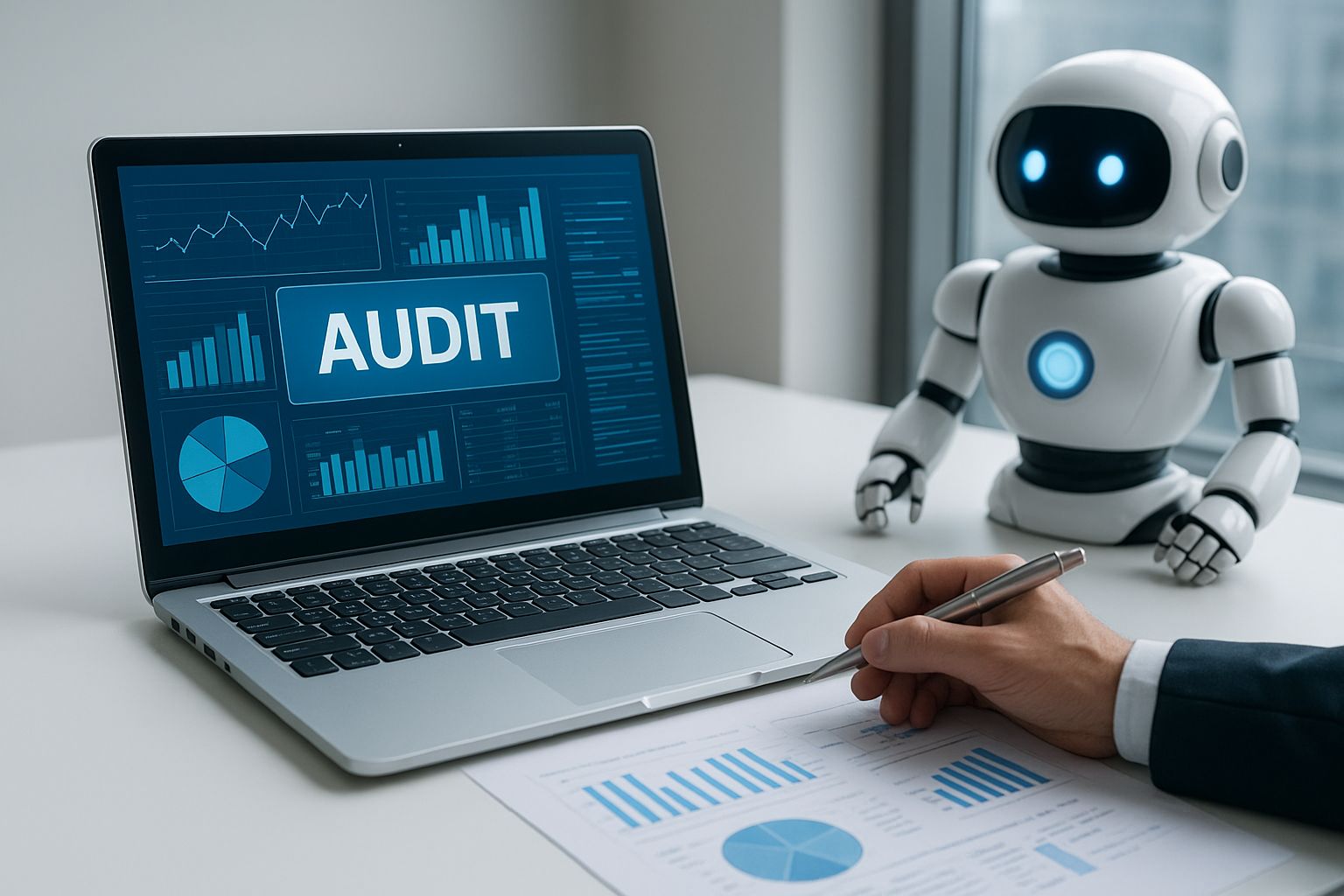
In recent days, the accounting landscape has witnessed the increasing adoption of automation in audit functions. This trend not only enhances efficiency but also improves the accuracy and reliability of financial statements. For firms navigating the complex environment of modern audits, automation is proving to be an invaluable tool.
With the advancement of technology, auditing processes are evolving from manual evaluations to more sophisticated automated systems. These systems leverage the power of data analytics to monitor transactions in real time, identifying anomalies and assessing risk more effectively than traditional methods.
Historically, auditors have manually verified a mere fraction of financial data, leaving room for error. Automation transforms this scenario by allowing comprehensive analysis of entire datasets, thereby minimizing oversight and maximizing coverage. Deloitte’s recent initiative, implementing AI-powered audit tools, serves as a prime example of this shift. They reported a significant enhancement in the audit process efficiency, reducing time spent on routine tasks and allowing auditors to focus on areas requiring human judgment.
Compliance is a critical aspect of financial audits, and failing to adhere to regulatory standards can have severe repercussions. Automation aids in maintaining compliance by ensuring continuous monitoring and timely updates reflecting changes in accounting regulations. Global giants such as PwC have incorporated advanced software to stay ahead in this compliance race. Their case study reveals how automation tools have successfully helped them adhere to international accounting standards while streamlining the audit process.
While accounting firms are reaping benefits from automation, it is also transforming the role of auditors. The skills demanded of today’s auditors now include a blend of accounting expertise and technological acumen. This dynamic requires firms to invest in training and development, equipping their workforce with the necessary tools to excel in a tech-driven environment. KPMG, for example, initiated a comprehensive program focusing on digital skills for auditors, ensuring their personnel are well-prepared to leverage technology in their audits.
The move toward automation in auditing reflects broader trends of digital transformation within finance functions. Companies that embrace these changes are likely to see significant gains in operational efficiency, risk management, and financial reporting accuracy. As technology continues to advance, the responsibility lies with accounting firms to ensure they not only adopt these innovations but also invest in the human capital necessary to maximize their potential.
For accounting firms looking to remain competitive in this rapidly evolving industry, embracing automation in their audit functions is not just an option but a necessity. Staying ahead means integrating these technologies now to build a more robust, efficient, and accurate audit process.

