

In recent days, the accounting industry has seen a significant shift towards leveraging new technologies to enhance compliance and streamline financial reporting processes. This transformation is primarily driven by the increasing complexity of regulatory requirements and the need for greater transparency and efficiency.
Modern accounting software solutions are integrating advanced features such as real-time data analytics, machine learning algorithms, and automated compliance checks. These features are enabling firms to not only meet regulatory standards more effectively but also to gain valuable insights into their financial operations. By automating routine tasks, accounting professionals can now focus on more strategic activities, adding greater value to their organizations.
One of the most notable trends is the adoption of cloud-based platforms that offer scalability and flexibility. These platforms are designed to handle large volumes of data and provide seamless integration with other business systems, facilitating real-time financial monitoring and analysis. This real-time capability empowers businesses to make informed decisions swiftly, mitigating risks associated with manual entry and delayed reporting.
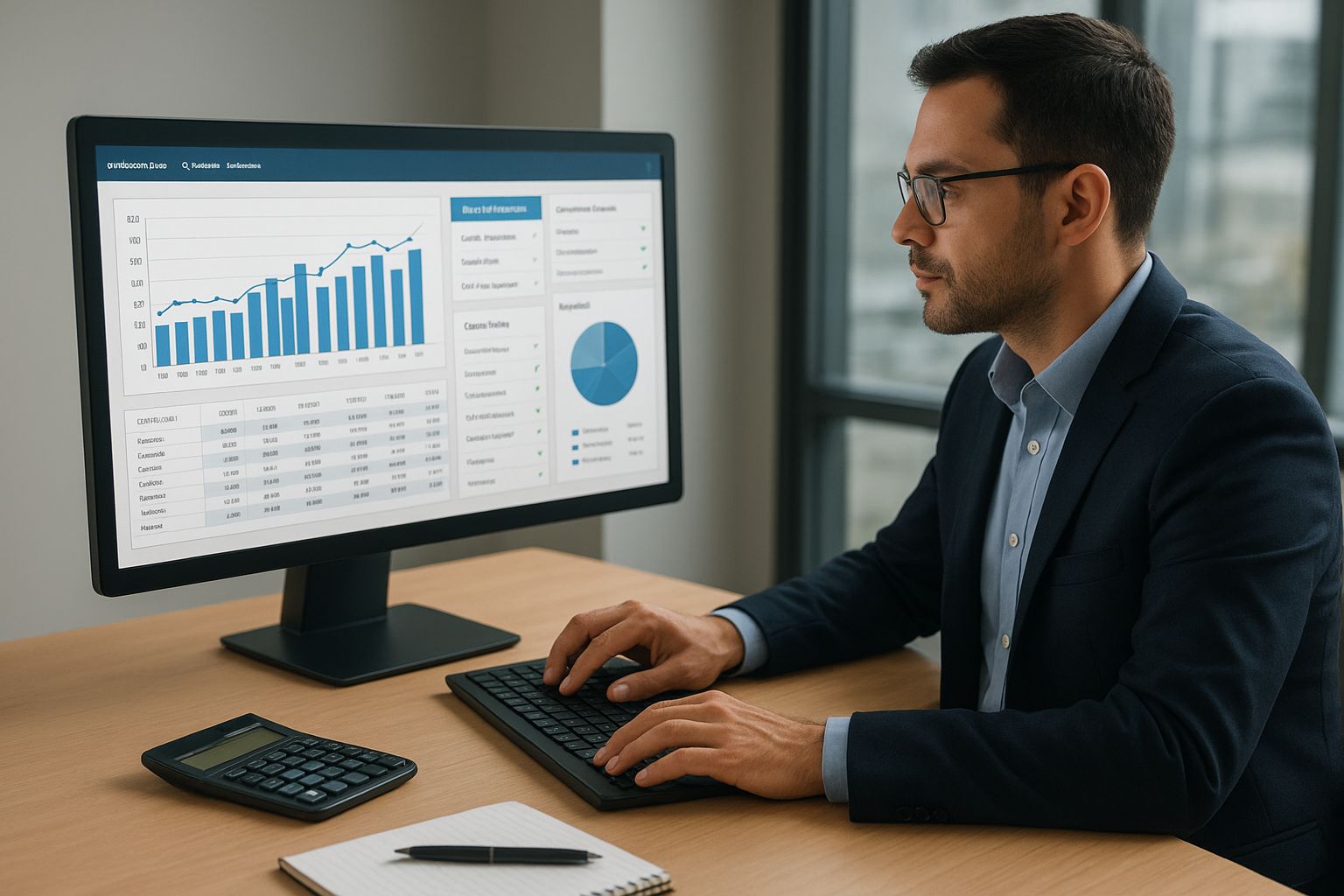
A key success story comes from a mid-sized firm that implemented a new cloud-based accounting software, resulting in an 80% reduction in time spent on compliance reporting. The software’s built-in analytics dashboard allowed the firm to visualize their financial health instantly, leading to better resource allocation and improved decision-making processes. Furthermore, automated updates ensured that the firm remained compliant with evolving regulations without the need for costly manual interventions.
Moreover, the introduction of AI-driven accounting solutions is transforming how professionals interpret financial data. These solutions use predictive analytics to anticipate potential compliance issues, allowing firms to proactively address any discrepancies. Such tools have become vital in the continuous battle against fraud and financial mismanagement, providing an additional layer of security to protect stakeholders’ interests.
The landscape of accounting is undeniably evolving towards a more tech-savvy approach. Firms that embrace these innovations are better positioned to navigate the increasingly complex regulatory environment while optimizing their operations. It is crucial for decision-makers to stay informed about these developments to maintain a competitive edge and ensure long-term sustainability in an ever-changing industry.

