


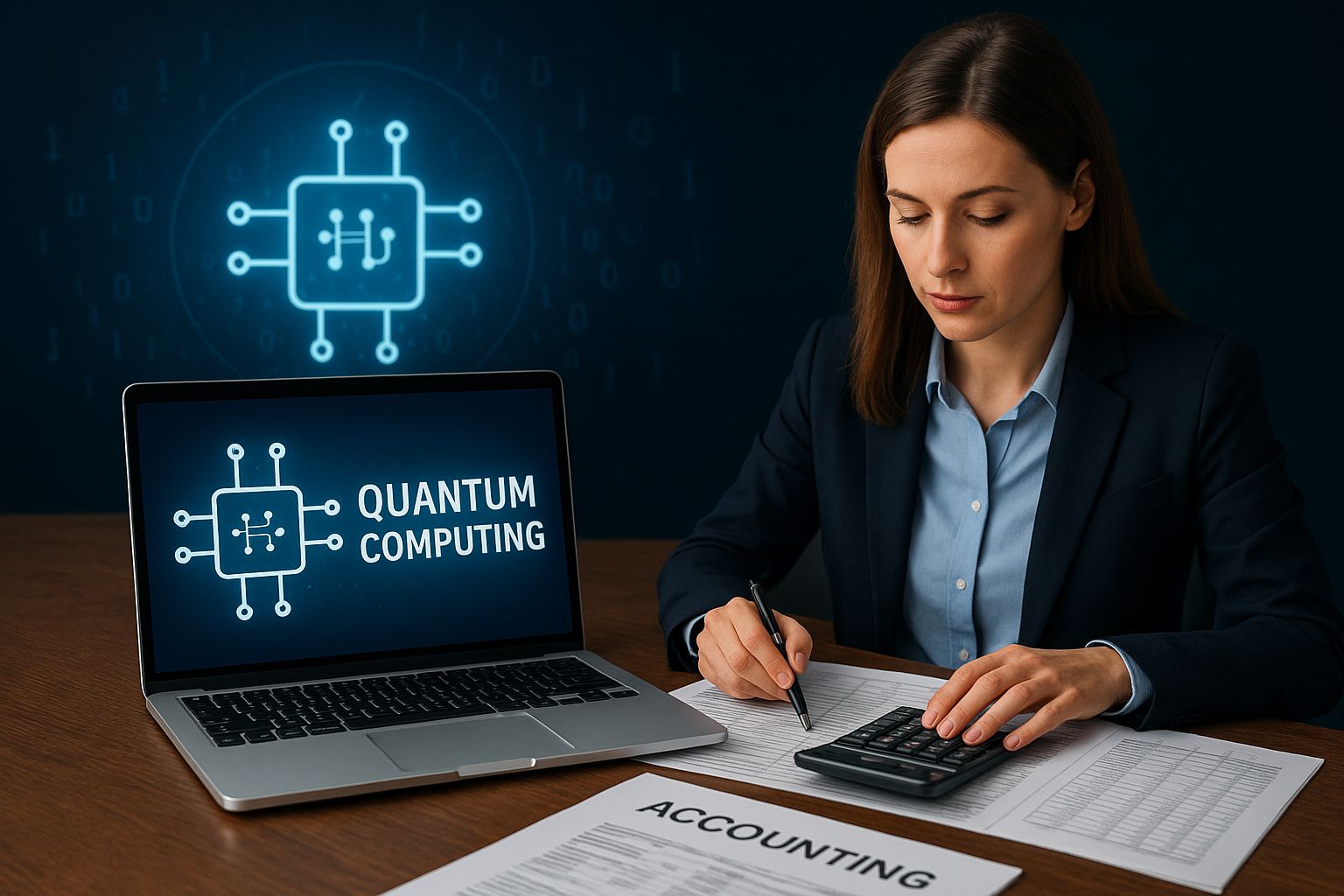
Quantum computing is no longer a distant dream; it has rapidly begun to reshape industries, with accounting being a significant beneficiary. Quantum computing possesses the potential to revolutionize accounting practices by providing unprecedented computational capabilities, allowing for complex problem-solving at speeds drastically surpassing those of classical computers.
In the realm of accounting, the convergence of quantum computing can streamline audit processes, enhance data security, and manage significant compliance challenges seamlessly. Recent developments have seen influential corporations dipping their toes into quantum waters. For example, Deloitte is collaborating with leading tech companies to harness quantum algorithms optimally to enhance their auditing accuracy. By leveraging quantum computing, these firms intend to reduce errors and omissions significantly while improving the predictive analytics used in risk assessment.
Moreover, there’s a paradigm shift envisioned in financial modeling and forecasting. Quantum computing enables the real-time processing of voluminous data and complex variables, offering unrivaled precision in predicting trends and behaviors. This advancement translates to more informed business decision-making and strategic planning. One of the more publicized uses of this tech in financial modeling was seen recently when top financial institutions successfully piloted quantum algorithms to simulate complex market scenarios, enhancing their capabilities for strategizing in volatile economic environments.
Data security, a cornerstone of the accounting industry, is another sphere where quantum computing’s influence is profound. The advent of quantum algorithms enhances encryption methods, ensuring that sensitive accounting data remains secure against the increasingly sophisticated cyber threats prevalent today. As many in the technology sector argue that quantum computing might lead to the obsolescence of current encryption methodologies, accounting firms investing in quantum-security solutions are getting ahead of the curve.
However, the integration of such profound technology comes with hurdles. One of the principal challenges includes the scarcity of quantum expertise, necessitating significant investment in training professionals adept at operating in the quantum sphere. As observed during recent global conferences on financial technologies, there is an increasing emphasis on collaboration between academia and industry to bridge this talent gap.
Quantum computing’s influence on accounting not only pertains to improving current practices but is expected to redefine the concept of financial accuracy and reliability. As stakeholders within the accounting and financial sectors continue to explore this frontier, the days where quantum computing becomes a mainstream tool seem imminent.

