


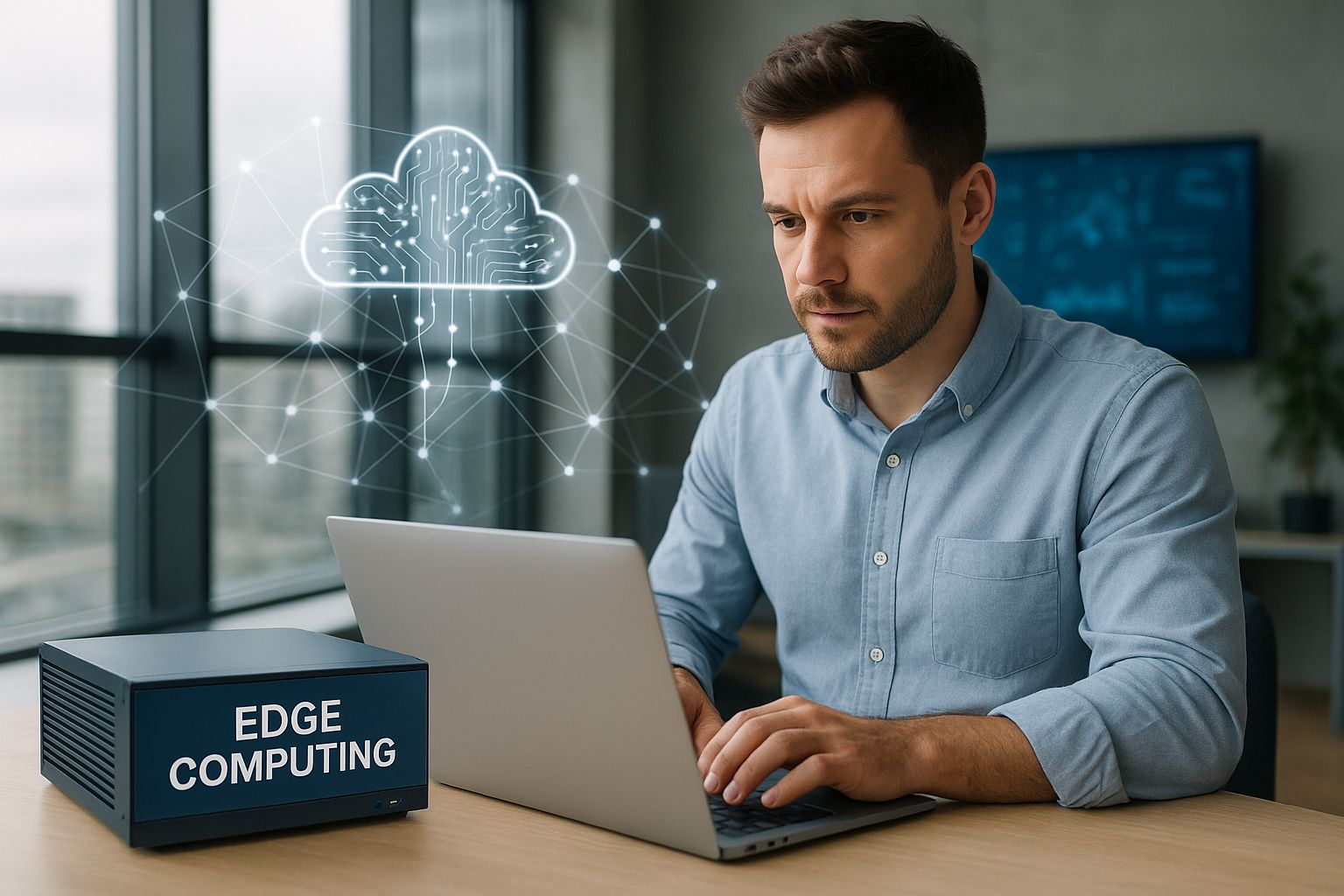
In an era marked by rapid digital transformation, edge computing is emerging as a pivotal technology for businesses aiming to stay competitive. This decentralization approach keeps processing power closer to the data source, optimizing real-time analytics and latency-sensitive applications.
As traditional cloud computing grapples with bandwidth and latency challenges across vast networks, enterprises are increasingly investing in edge computing solutions. By processing data closer to its origin—at or near the source—companies can enhance the speed and efficiency of their operations dramatically.
Driven by the burgeoning Internet of Things (IoT) devices, the demand for edge computing has intensified. These devices, ranging from smart industrial tools to connected vehicles, generate immense amounts of data. Processing this data locally at the edge allows organizations to reduce latency and ensure quicker decision-making processes.
Industries are already witnessing tangible benefits. For instance, in manufacturing, edge computing tools empower companies to monitor equipment health in real-time, minimizing downtime. Similarly, in retail, edge-enabled systems analyze consumer behavior instantaneously, enhancing the in-store customer experience.
Financial services also stand to gain significantly. By leveraging edge technology, these institutions can execute trades with lower latency and enhance fraud detection by analyzing customer transactions locally rather than streaming data back to centralized servers.
However, this burgeoning technology is not without its challenges. Data security and privacy are pressing concerns as data is processed outside centralized, protected environments. To address these risks, technology vendors are emphasizing robust, inherent security features within edge solutions.
As businesses gear up for Industry 4.0, the integration of edge computing continues to redefine the digital landscape. With its capability to deliver real-time insights and reduce operational latencies, edge computing promises to be a cornerstone of future business practices.
Enterprises looking to adopt this cutting-edge technology must focus on strategic implementation, ensuring that all facets of their operations align with a decentralized approach. Whether optimizing supply chains or enhancing customer engagement, edge computing heralds a new chapter in business efficiency and technological advancement.

