


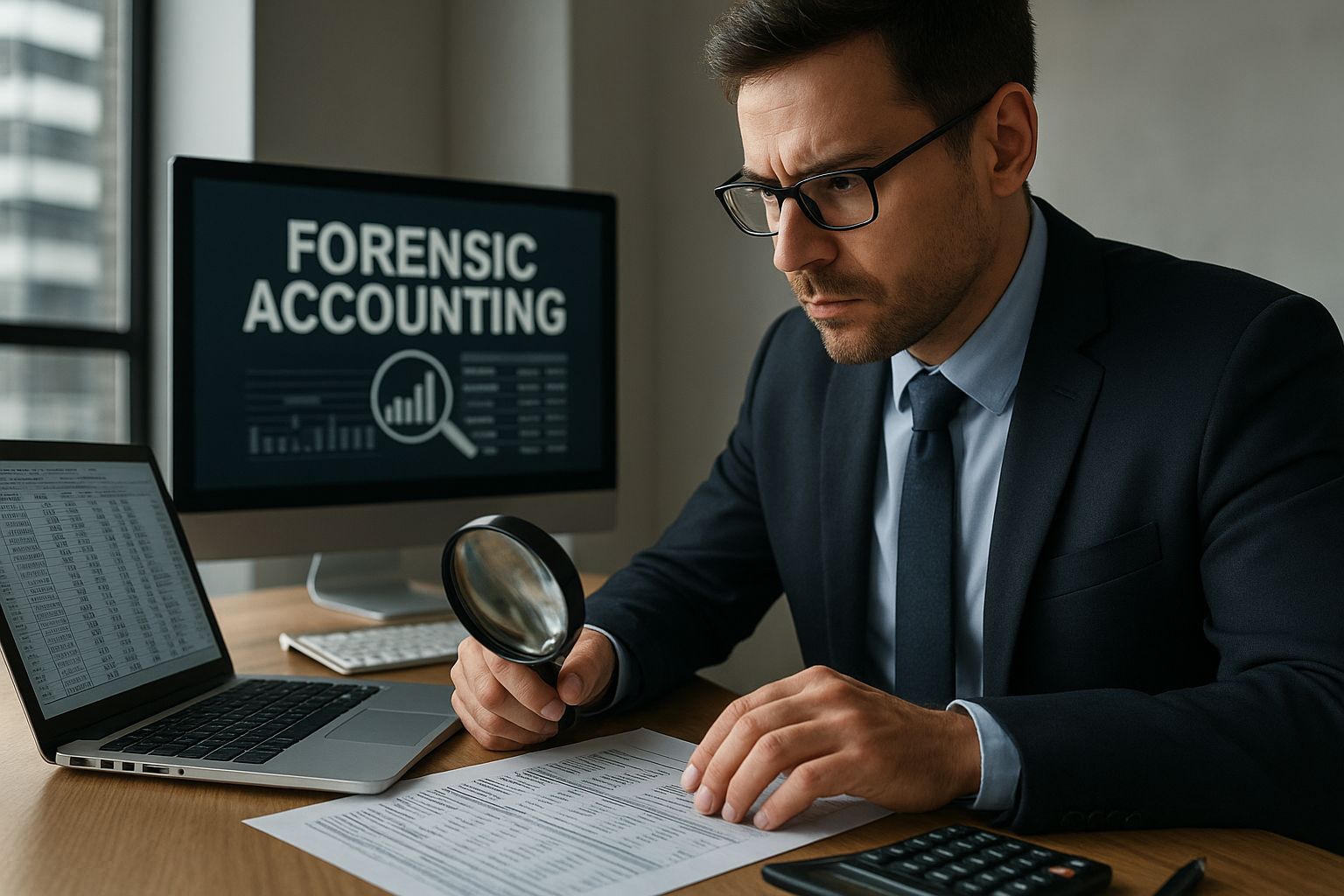
In an era where digital transactions form the backbone of business operations, forensic accounting has emerged as an indispensable tool in combating financial fraud. With corporate scandals continuing to surface globally, businesses recognize the critical need for expertise in forensic accounting to safeguard their financial integrity.
Forensic accounting, a specialized field that merges accounting, auditing, and investigative skills, is gaining unprecedented attention. The very essence of forensic accounting lies in its ability to uncover financial discrepancies and trace illicit financial activities, a capability that is becoming a vital asset as digital transactions proliferate.
One of the primary drivers behind the surge in demand for forensic accountants is increasing regulatory scrutiny. Regulatory bodies across the world have stepped up their oversight, demanding higher compliance standards from corporations. Amidst this heightened regulation, businesses require forensic accountants to ensure they navigate the intricate landscape of compliance without transgressing legal boundaries.
Furthermore, the integration of sophisticated technology into corporate accounting practices has made it easier for malicious actors to engage in deceitful activities. Cyberattacks and digital fraud are contemporary challenges that forensic accountants are adept at addressing. By employing data analytics, pattern recognition, and anomaly detection, forensic accountants can pinpoint irregularities that may indicate fraudulent activity.
A notable case underscoring the impact of forensic accounting is the unraveling of the notorious Wirecard scandal. The scandal involved the fraudulent inflation of company revenues to present a favorable but false financial health. Forensic accountants played a crucial role in dissecting the financial statements and uncovering the discrepancies that led to the exposure of the fraud.
The rise in financial fraud has also led to an increase in insurance claims related to corporate fraud. Consequently, insurance companies have turned to forensic accounting to assess claims and detect any fraudulent components, significantly impacting the insurance industry.
Moreover, educational institutions are recognizing this trend and have begun to offer specialized courses and certifications in forensic accounting. This evolution in curriculum content indicates the importance of developing specific skill sets required to excel in this domain.
In conclusion, as the digital economy expands, forensic accounting will continue to evolve, integrating advanced technological tools to combat fraud. By staying ahead of potential fraud tactics, forensic accountants protect businesses from significant financial and reputational damage—a necessity in today’s intricate business environment.

